
p4c secondary
P4C Secondary
BIJAK conducts P4C Secondary (or Philosophy for Secondary schoolchildren) in Indonesia and other Asia-Pacific countries.
Secondary (or High School) schoolchildren, that is teenagers, have a lot of questions about society and their place in it.
It is the age when they become aware of issues such as freedom, rights, justice, moral values, love, etc.
What is P4C Secondary?
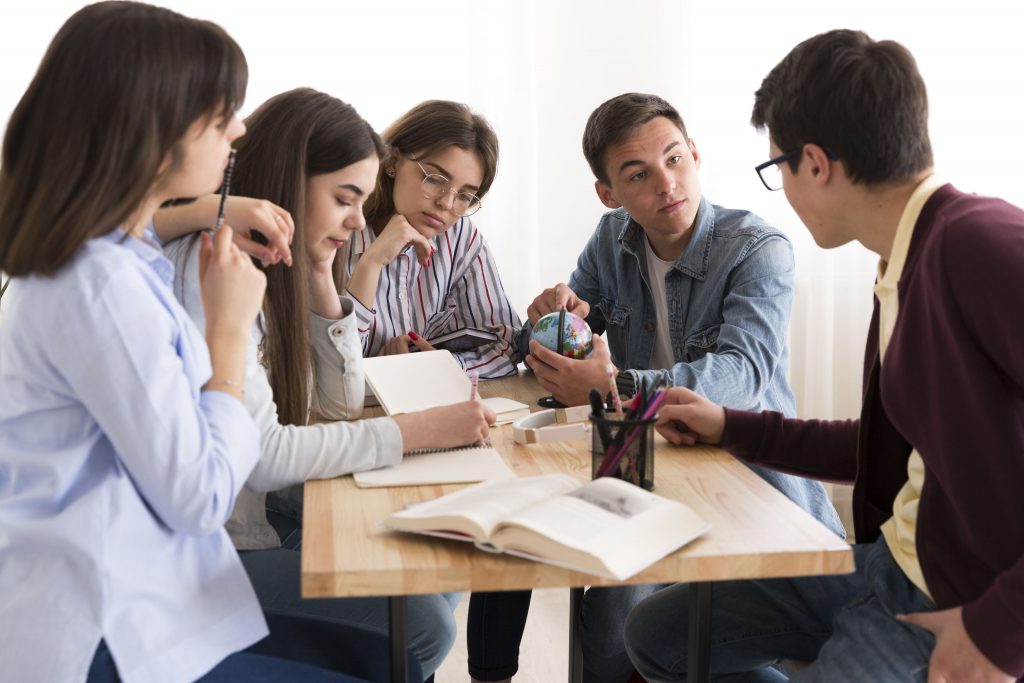
A P4C Secondary (High School) session is about doing philosophy with secondary (high school) schoolchildren by getting them to explore concepts relevant to their current life and their future. Led by a BIJAK facilitator, the teenagers explore concepts such as freedom, rights, justice, moral values, love, etc. They engage in questions and answers that help them develop their personality and think more clearly about their future.

How is P4C Secondary conducted?
A P4C Secondary (High School) session is led by a BIJAK facilitator who instructs, guides and engages the teenagers to participate actively. A stimulus is used to start the discussion. This can be a story, a picture, a video clip, or even an idea. The children sit in a circle and take turns to express their opinions, ask questions and build on each other's ideas. The result is more knowledge and a deeper understanding of the topic under discussion, besides improved confidence, better discernment and greater resilience to face life's challenges.
independent judgement, communicating technical knowledge and self-discipline.'
benefits of
p4c secondary
- Better problem-solving abilities to deal with difficult peers, people and situations.
- Better decision-making through improved analysis and reasoning, leading to sensible judgement and responsible behaviour.
- Increased resilience and greater capacity to manage the stresses of daily life – by learning to discern the true significance of any and every situation and event.
- Improved confidence to resist pressures from peers, social networks and the media industry to conform to unrealistic or unattainable models and references.
- Development of social skills such as empathy, tolerance and acceptance of diversity through better emotional awareness and criticism of preconceived or imposed ideas.
- Better discernment to filter out (dis)information, deceptive advertising, propaganda and fake news.